
So I was messing around with my Solana setup the other day when something kinda hit me. Hardware wallets? Yeah, they’re not just some fancy add-on anymore—they’re almost essential if you want to keep your coins safe. But here’s the kicker: integrating them smoothly with your Solana wallet isn’t always straightforward. Wow! It’s like, you think you’re set, but then your transaction history doesn’t sync right, or staking gets glitchy. Really?
Initially, I thought, “Okay, just plug in the device, and you’re golden.” But then I realized the layers involved—especially how Solana’s network handles transactions and staking differently from, say, Ethereum. The way hardware wallets communicate with software wallets can get messy. Something felt off about the usual advice online—it was all too generic. On one hand, hardware wallets offer incredible security; on the other, without tight integration, they can complicate your transaction tracking or DeFi moves.
Let me back up a sec. The transaction history issue is one I keep bumping into. When you’re using a hardware wallet with a Solana wallet app, your transactions don’t always show up neatly. Medium-length sentences here explain that the blockchain data is public, sure, but your wallet software has to index and pull that info correctly. Otherwise, you get incomplete or delayed histories. Hmm… it’s like having a ledger that’s half blank. And if you’re staking, not seeing your rewards or delegations properly? That bugs me.
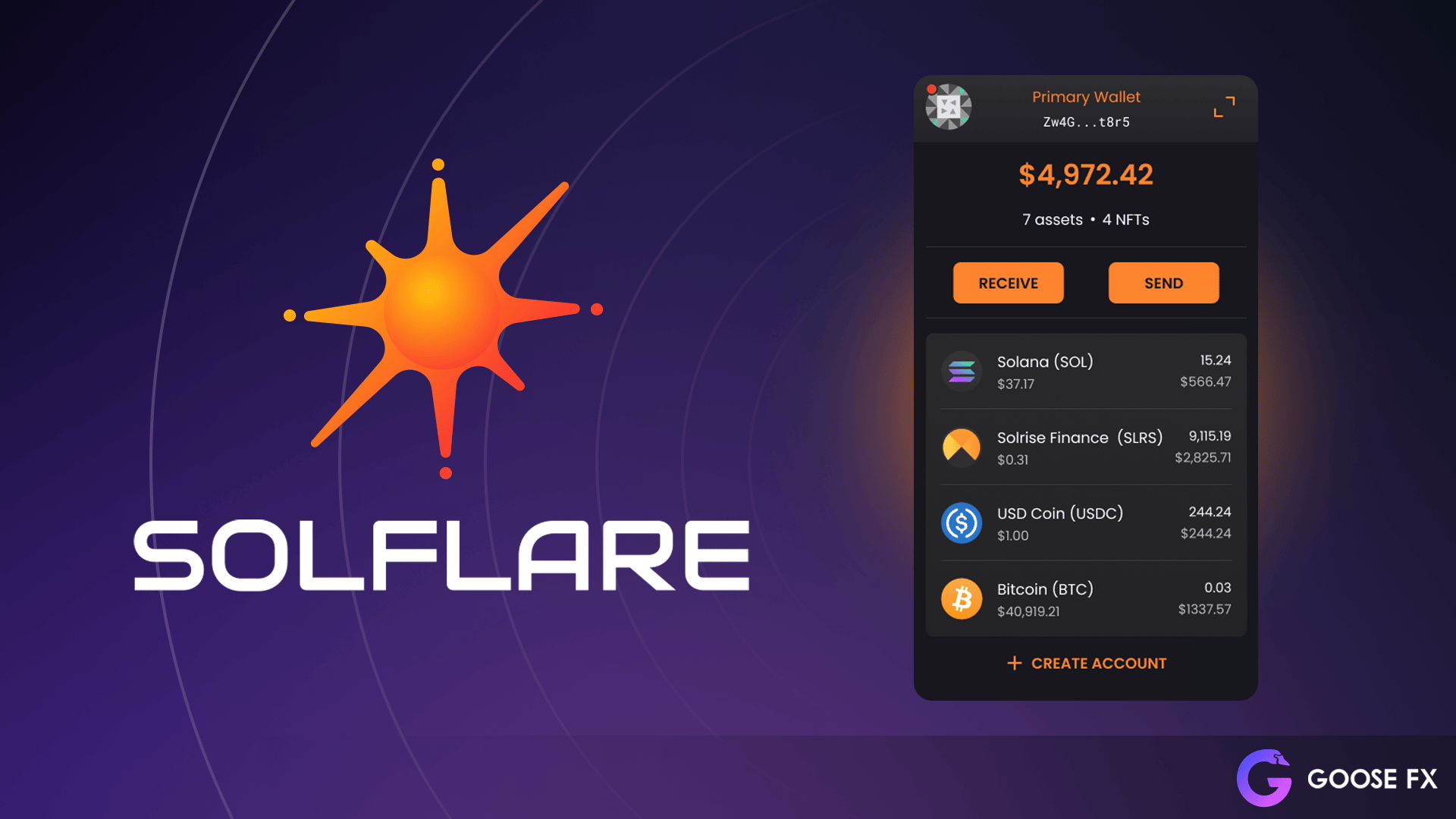
Okay, so check this out—there’s a wallet that’s been impressively handling this integration: the solflare wallet. I’m biased because I’ve been using it for a while, but it’s really smooth with hardware wallets like Ledger. You get the security of a cold wallet and the convenience of a full-featured app that tracks your staking and transaction history correctly. That combo is rare, honestly.
Here’s the thing. Not all Solana wallets play well with hardware devices. Some lack support or have clunky UIs that make you second-guess every step. The solflare wallet, though, nails this by integrating transaction history updates seamlessly. Plus, it handles staking delegation without hiccups—something you might not realize is very very important unless you’ve tried to fix it yourself. Seriously.
One long thought I had was about the trade-offs in wallet design. On one hand, hardware wallets prioritize security by keeping your keys offline; on the other hand, the software wallet needs to be super user-friendly and fully synchronized. Balancing those is tricky. Actually, wait—let me rephrase that—balancing offline key storage and real-time blockchain interaction demands a pretty sophisticated backend behind the scenes. Not every wallet developer nails it.
So, what about transaction history exactly? Well, your wallet app isn’t just a passive viewer. It’s actively scanning the blockchain for your activity—staking rewards, transfers, NFT buys, DeFi moves—and compiling that into a readable format. If the hardware wallet integration isn’t tight, some of those activities might not reflect promptly. For a power user, that’s frustrating. For newcomers, it’s downright confusing.
And here’s a tangent—(oh, and by the way…) when you’re staking Solana tokens, you’re delegating to validators who process transactions and secure the network. Your wallet needs to not only let you pick validators but also show your rewards accruing over time. If your hardware wallet setup doesn’t sync well, you miss out on that transparency. Not cool.
Another thing I like about the solflare wallet is its open-source vibe and active community. You feel like you’re part of something evolving, not stuck with some dusty app. It supports Ledger and Trezor devices, which covers most hardware wallet users. Plus, the UI is clean enough that even my less tech-savvy friends can navigate it. That’s a big deal in crypto, where complexity scares people off.
My instinct said, “Dive deeper into how these wallets handle transaction indexing.” Turns out, they use APIs and node connections that differ in speed and reliability. Some rely on third-party services (which can lag), while others run their own full nodes. The solflare wallet runs its own infrastructure, which gives it a speed and accuracy edge in showing your transaction history live.
Here’s a longer thought: as Solana’s ecosystem grows, with more DeFi protocols and NFT projects, the need for wallets that integrate hardware security and robust transaction tracking will only increase. You can’t just rely on a simple hot wallet anymore, especially when your assets and stakes get bigger. I’m not 100% sure how all wallets will evolve, but the trend towards hardware-software symbiosis feels inevitable.
How Hardware Wallets Boost Your Solana Experience
Let me be clear—hardware wallets aren’t just about security. They change how you interact with your tokens. When paired with a wallet like solflare wallet, you can manage staking, track your transaction history, and participate in DeFi without constantly worrying about hacks or phishing. That peace of mind? Priceless.
From personal experience, I remember when I first tried staking using a hardware wallet on Solana—it was clunky. Transactions took forever to show up, and I wasn’t sure if my rewards were accumulating. Now with the solflare wallet, it’s almost instant. You approve on your device, and the app updates right away. That feedback loop is critical for confidence. Seriously, it feels night and day.
One subtle but important thing: the solflare wallet’s approach to transaction history isn’t just about listing transactions. It categorizes activities—staking, transfers, token swaps—which helps you understand your portfolio’s evolution. On one hand, that’s a UX win; on the other, it requires solid backend work and trustworthiness. And guess what? It works.
Here’s what bugs me about some other wallets: they treat hardware wallet integration as an afterthought, like a checkbox. You get limited features or half-baked interfaces. The solflare wallet treats it as core functionality. That’s why you get a more natural experience that feels like the hardware wallet and software wallet were born to work together.
Okay, so here’s a quick heads-up—if you want to try this out, check the solflare wallet download page. It’s straightforward, no nonsense. And you can pair it with popular hardware devices right away. I’m telling you, it’s worth the setup time.
To wrap up this section (though I hate wrapping things up too neatly), integrating a hardware wallet with your Solana wallet changes everything—from how you protect your keys to how you monitor your assets and staking. The experience becomes safer and more transparent, which is exactly what you want in this wild crypto space.
Common Questions About Hardware Wallets and Solana
Can I use any hardware wallet with Solana wallets?
Not really. While Ledger and Trezor are popular and widely supported, not all hardware wallets have seamless Solana integration. The solflare wallet supports the main devices and ensures smooth interaction.
Why doesn’t my transaction history update immediately?
It’s often due to how the wallet indexes blockchain data. Some wallets rely on slower third-party services, while others, like solflare wallet, run their own nodes for more real-time updates.
Is staking safer with a hardware wallet?
Definitely. Your private keys never leave the hardware device, so even if your computer is compromised, your stakes and tokens remain protected.